
Siding replacement is one of the largest exterior investments a Vancouver homeowner can make, and the choice between vinyl and fiber cement comes up in nearly every conversation about it. Both materials are widely used in the Pacific Northwest. Both have genuine strengths. And both have limitations that matter more in a wet, temperature-variable climate like southwestern Washington than they would in a drier region.
This comparison is built specifically for Vancouver WA homeowners — not a generic national overview. The PNW climate, local building patterns, and the specific performance demands of a home that sees months of rain every year all shape which material makes more sense for a given property.
Understanding the Two Materials
Vinyl Siding
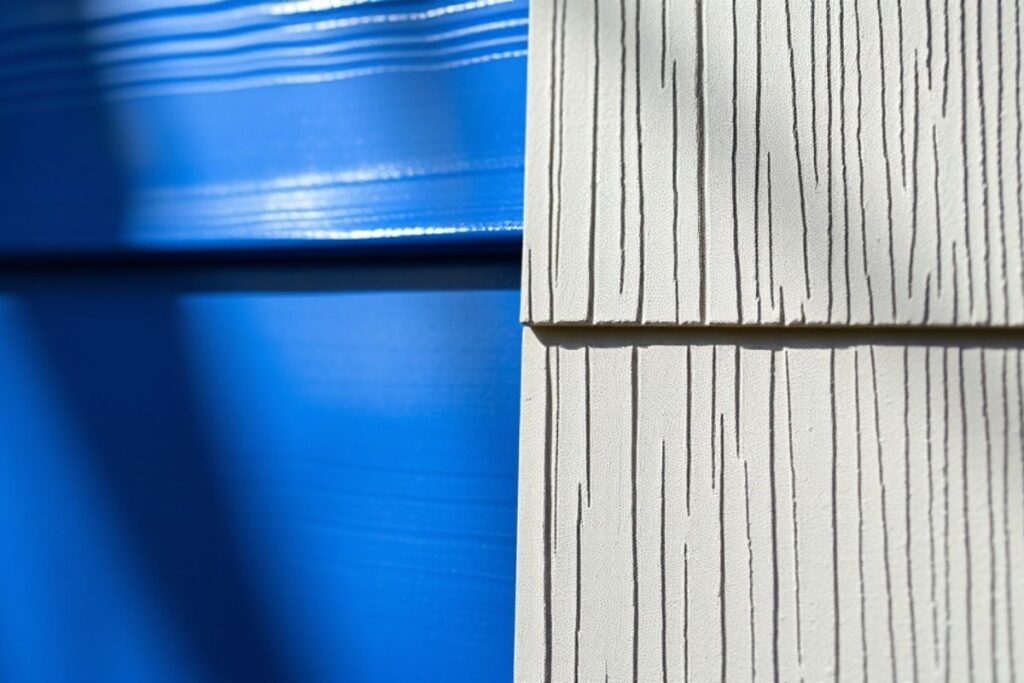
Vinyl siding is manufactured from polyvinyl chloride (PVC) and comes in a wide range of profiles, colors, and thicknesses. It’s been the most commonly installed siding type in the United States for decades, largely because of its low upfront cost and minimal maintenance requirements. Vinyl doesn’t rot, doesn’t need to be painted, and doesn’t attract insects. The color is built into the material rather than applied on top, which means there’s no paint layer to peel or fail.
The tradeoff is that vinyl is a thinner, less rigid material than fiber cement. It can warp, crack, or become brittle in temperature extremes, and it has a visual profile that reads as plastic to many homeowners — particularly on higher-end properties where curb appeal and resale value are priorities.
Fiber Cement Siding
Fiber cement is a composite material made from cement, sand, and cellulose fibers. The most widely known brand is James Hardie, whose HardiePlank and HardiePanel products dominate the Pacific Northwest market. Fiber cement is significantly denser and more rigid than vinyl — it looks and feels more like wood siding, holds paint exceptionally well, and is highly resistant to moisture, rot, and impact damage.
The tradeoffs are higher upfront cost and the need for periodic repainting. Fiber cement comes either primed only or with a factory-applied finish coat. Either way, the painted surface will eventually need maintenance — typically every 10 to 15 years depending on exposure conditions and product quality.
How Each Material Performs in the Pacific Northwest Climate
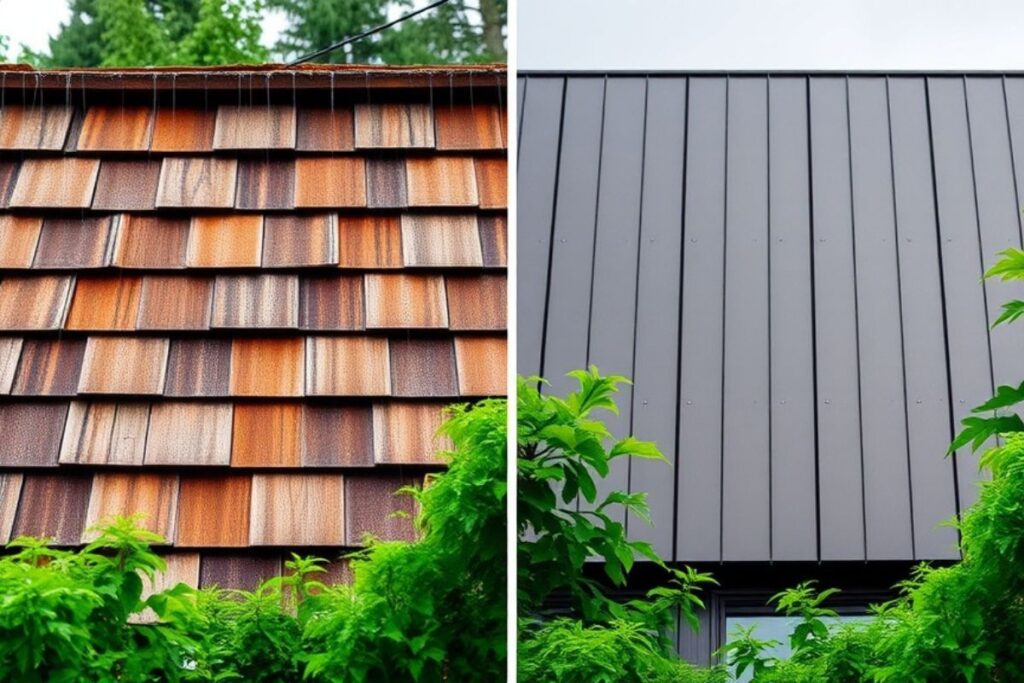
This is where the comparison becomes most relevant for Vancouver WA homeowners. The Pacific Northwest puts siding through conditions that expose material weaknesses more quickly than drier climates — consistent rain from October through May, temperature swings that can range from freezing overnight to mild afternoons within the same week, and humidity levels that keep surfaces damp for extended periods.
Moisture Resistance
Both vinyl and fiber cement are more moisture-resistant than wood siding, but they handle moisture differently. Vinyl is inherently waterproof — water doesn’t penetrate the material itself. However, vinyl siding is not a sealed system. Water can work behind panels at gaps, seams, and penetration points, and if the moisture barrier underneath is compromised, vinyl sitting over a wet substrate will trap that moisture rather than allowing it to dry out.
Fiber cement is highly moisture-resistant but not impervious. The cement-based core can absorb some moisture if the painted surface is allowed to fail or if cut edges are left unsealed. Properly installed and maintained fiber cement — with all edges primed, properly caulked penetrations, and a healthy paint film — performs exceptionally well in sustained wet conditions. James Hardie’s products are specifically engineered for high-moisture climates, and the Pacific Northwest is one of their core markets.
Temperature and Expansion
Vancouver WA experiences meaningful temperature swings across seasons, and both siding materials expand and contract in response. Vinyl expands and contracts more than fiber cement — a full wall of vinyl can shift noticeably between a cold January night and a warm September afternoon. This movement is manageable when vinyl is installed correctly with appropriate gaps at joints and fasteners, but improperly installed vinyl will buckle, gap, or pull away from trim over time.
Fiber cement has a lower coefficient of thermal expansion and moves less dramatically with temperature changes. This contributes to better long-term dimensional stability, particularly at joints and trim intersections where movement gaps are most visible.
Mold and Mildew
In Vancouver’s climate, any siding material that retains surface moisture will eventually show mold and mildew growth on north-facing and shaded surfaces. Vinyl’s non-porous surface doesn’t feed mold growth the way organic materials do, but algae and surface mildew still accumulate on vinyl in the PNW and require periodic washing to maintain appearance. Fiber cement, being a denser material, also resists mold growth well when properly painted and maintained.
Appearance and Curb Appeal
For many Vancouver homeowners, the visual difference between vinyl and fiber cement is the deciding factor. Fiber cement — particularly in a lap siding profile like HardiePlank — has a depth, texture, and solidity that reads as substantially more like traditional wood siding than vinyl does. It holds shadow lines better, takes paint in a way that produces a richer finish, and doesn’t have the slight sheen that vinyl surfaces sometimes show.
Vinyl has improved significantly in appearance over the past decade. Premium vinyl products with deeper profiles and thicker construction look considerably better than the thin, flat vinyl of earlier generations. But side by side with fiber cement on comparable homes, most observers find fiber cement more visually convincing.
For neighborhoods in Vancouver where homes have established architectural character — craftsman styles in Hazel Dell, mid-century builds in Cascade Park, newer construction throughout the expanding east side — fiber cement tends to integrate more naturally with existing streetscapes.
Cost Comparison for Vancouver WA
Upfront installation cost is where vinyl holds its clearest advantage. Vinyl siding installation in the Vancouver WA market typically runs between $5 and $9 per square foot installed, depending on product grade and project complexity. Fiber cement installation generally runs between $9 and $14 per square foot installed, reflecting both the higher material cost and the additional labor required for a heavier, more rigid product.
On a typical 1,800 square foot home with 1,500 square feet of siding, the difference can amount to $6,000 to $10,000 in upfront cost. That’s a meaningful gap, and for homeowners working within a strict budget, it’s often the conversation-ending number.
The lifecycle cost picture is more nuanced. Fiber cement’s longer effective lifespan — 30 to 50 years with proper maintenance versus 20 to 40 years for quality vinyl — and its contribution to home resale value close some of that gap over time. Fiber cement consistently outperforms vinyl in appraisals and buyer perception, which matters when resale is part of the decision framework.
Maintenance Requirements
Vinyl’s maintenance advantage is real. Because the color is integral to the material, there’s no painting required — ever. Vinyl siding maintenance consists primarily of periodic washing to remove mildew, algae, and dirt accumulation. In the PNW, a soft wash or gentle power wash every two to three years keeps vinyl looking clean. Damaged panels can be replaced individually without the need to repaint surrounding sections.
Fiber cement requires repainting on a cycle that depends on product quality and exposure. Factory-applied finish coats on James Hardie products carry paint warranties of 15 years, but field-painted fiber cement — either primed-only boards painted on-site or refinished older fiber cement — may need attention sooner depending on product selection and application quality. When it is time to repaint fiber cement, the surface holds paint exceptionally well and produces excellent results. GB Painting handles fiber cement repainting across Vancouver, Portland, and the surrounding area as part of their exterior painting services.
Which Is Right for Your Vancouver Home?
The honest answer is that it depends on your priorities, budget, and property context.
Vinyl makes the most sense when upfront cost is the primary constraint, when the home is a rental property or a shorter-term hold where long-term resale value is less of a factor, or when the existing home’s architecture is compatible with vinyl’s aesthetic profile. For a modest ranch-style home in a neighborhood where vinyl is the predominant material, vinyl is a perfectly serviceable choice that will protect the home effectively for decades with minimal maintenance.
Fiber cement makes the most sense when the home has architectural character worth preserving, when resale value and curb appeal are priorities, when the home is in a neighborhood where the visual difference matters, or when the homeowner plans to be in the property long enough to benefit from the material’s superior longevity. For craftsman homes, larger properties, and any project where the goal is a result that looks as good as it performs, fiber cement is the stronger investment.
If your current siding is showing signs of failure — cracking, warping, persistent moisture issues, or widespread paint failure — the post on signs your home siding needs repair or replacement helps clarify whether repair or full replacement is the more appropriate path before a material decision is made.
GB Painting LLC provides siding services and exterior painting across Vancouver WA, Portland OR, Lake Oswego, Gresham, and Camas. Whether you’re replacing siding, repainting existing fiber cement, or assessing what your home needs before winter, the team is available for free consultations and estimates. Reach out through the contact page to get started.
GB Painting LLC provides professional siding services and exterior painting across Vancouver WA, Portland OR, and the Pacific Northwest. Call (503) 863-1557 or contact us online for a free estimate.