
Your siding is the first line of defense your home has against everything the Pacific Northwest throws at it. Rain, wind, temperature swings, moss, and the persistent moisture that defines life in Portland and Vancouver do not take time off, and neither should your attention to the material protecting your walls.
The challenge is that siding damage does not always announce itself. Some warning signs are obvious, like a panel hanging loose after a windstorm. Others are subtle and easy to overlook until the damage has spread to the sheathing, insulation, or framing behind the siding. By then, what could have been a targeted repair has become a much larger and more expensive project.
Knowing what to look for, and knowing when a repair is enough versus when full replacement is the better investment, can save you thousands of dollars and prevent the kind of structural damage that no homeowner wants to discover. This guide covers the warning signs that matter most for homes in the Portland and Vancouver WA area, and what to do when you spot them.
Why Siding Matters More in the Pacific Northwest
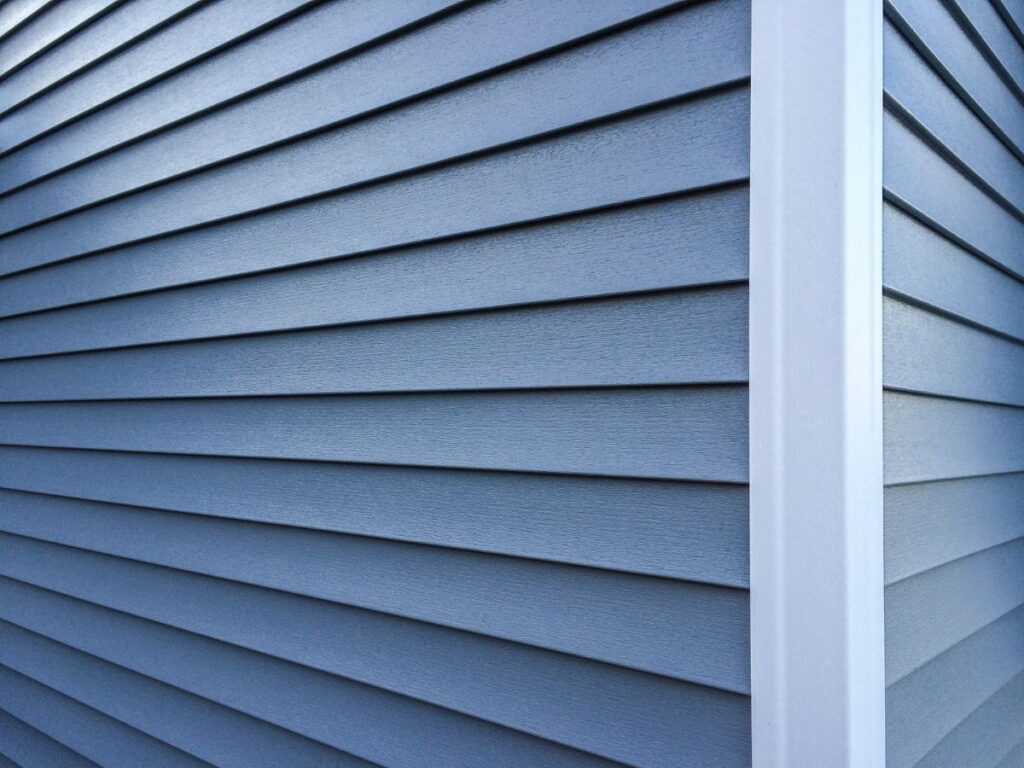
Siding does more than make your home look good from the street. It is a functional barrier between your home’s structural components and the elements. In drier climates, siding can go years with minimal attention. In the Pacific Northwest, the combination of heavy rainfall, persistent dampness, limited winter sun, and seasonal temperature changes creates conditions that accelerate siding wear faster than in most other regions of the country.
Moisture is the primary concern. When siding fails, even in a small area, water finds its way behind the panels and into the wall cavity. Once inside, it creates the conditions for mold growth, wood rot, and insulation degradation. These problems are invisible from the outside and can progress for months before any external sign appears.
This is why regular visual inspections of your siding are worth the time, especially in the months following heavy rain seasons. Catching damage early is the single most effective way to avoid costly repairs down the road.
Warning Signs That Your Siding Needs Attention
Not every imperfection means your siding needs to be torn off and replaced. Some issues call for a straightforward repair, while others indicate that the material has reached the end of its useful life. Here are the signs that matter most, organized by what they typically mean for your home.
Cracking, Splitting, or Holes
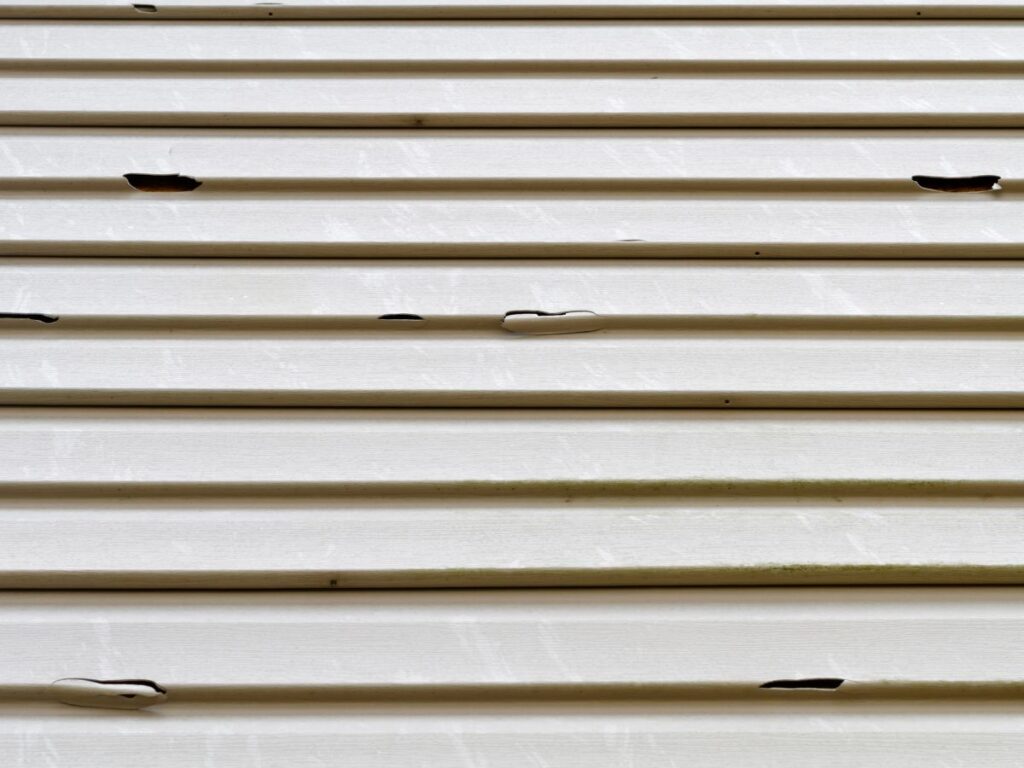
Cracks in your siding may seem minor, but in the Pacific Northwest they are an open invitation for water to enter the wall cavity. Even hairline cracks in fiber cement or vinyl siding can allow moisture penetration during the extended rainy season that runs from October through May in the Portland and Vancouver area.
If the cracking is limited to one or two panels, a targeted repair or panel replacement is usually sufficient. If you are seeing cracks across multiple sections of your home, particularly on the side that receives the most weather exposure, the siding material itself may be failing and a broader replacement conversation is warranted.
Warping, Buckling, or Bulging
Siding that is no longer lying flat against your home is siding that is no longer doing its job. Warping and buckling typically indicate one of two problems: moisture has gotten behind the panels and is causing the substrate or the siding itself to swell, or the siding was not installed correctly and is responding to thermal expansion.
In either case, warped siding compromises the weather seal and allows even more moisture in. This is a sign that should not be ignored, especially heading into a wet season. If the warping is isolated to a small section, repair may be possible. If it is widespread, replacement of the affected wall or walls is the better path.
Peeling, Bubbling, or Flaking Paint
If the paint on your siding is peeling, bubbling, or flaking despite being applied relatively recently, the issue is almost certainly moisture related. Paint that lifts from the surface is responding to water coming through from behind the siding, not from the exterior. This means the siding itself, or the seal between panels, has been compromised.
Before repainting siding that is showing these symptoms, it is critical to identify and address the underlying moisture problem. Painting over failing siding without addressing the root cause will only produce the same result again in a short period of time. Choosing the right paint also plays a role in long-term performance. Our guide on the best exterior paint for the Pacific Northwest covers the products and finishes that hold up best in this climate.
Mold, Mildew, or Fungal Growth
Some surface mold on the exterior of siding is normal in the Pacific Northwest, particularly on north-facing walls that receive limited sunlight. Surface mold can usually be removed with cleaning and does not necessarily indicate a siding problem.
However, if mold or mildew is growing in patterns that suggest it is coming from behind the siding, or if you are seeing fungal growth near seams, joints, or the bottom edges of panels, that is a sign of trapped moisture within the wall assembly. This type of growth indicates that the siding is no longer preventing water infiltration and that damage to the underlying structure may already be underway.
Rotting or Soft Spots
This applies primarily to wood and certain wood-composite siding materials. If you can press on a section of siding and it gives, feels spongy, or crumbles, the material has begun to rot. Rot does not reverse itself and it does not stay contained. It spreads to adjacent materials, including the sheathing and framing members behind the siding.
Any section of rotting siding should be replaced promptly. If the rot is limited, a partial repair is possible. If you are finding soft spots in multiple locations, a full siding replacement combined with an inspection of the underlying structure is the responsible course of action.
Rising Energy Bills Without Explanation
Siding that has deteriorated or separated from the wall allows air and moisture to penetrate the building envelope, degrading the insulation behind it. If your heating bills have been climbing and you have not made any other changes to your home, compromised siding could be the cause.
This is particularly relevant for older homes in the Portland and Vancouver area that may still have original siding from the 1970s, 1980s, or 1990s. Replacing aging siding with modern, energy-efficient materials can have a meaningful impact on your home’s thermal performance and monthly utility costs.
Visible Gaps, Loose Panels, or Missing Caulk
Siding panels that have pulled away from each other, separated at the seams, or lost their caulking at joints and trim are no longer providing a continuous weather barrier. Gaps of even a quarter inch allow wind-driven rain to enter the wall assembly, and in a region that receives as much horizontal rain as the Pacific Northwest, that matters.
If you are noticing gaps appearing between panels or around windows and trim, it is worth having a professional assess whether the issue is localized or systemic. In many cases, sealing and re-caulking combined with panel repair is sufficient. In others, the shifting indicates that the substrate has deteriorated and the siding needs to come off for a proper evaluation.
Window areas are particularly vulnerable to water intrusion when siding seals fail. If you are also considering updating your windows, combining the projects can address both issues at once. Learn more about our window installation services in Vancouver WA.
Siding Repair vs. Full Replacement: How to Decide
The repair-versus-replace decision comes down to three factors: how widespread the damage is, what condition the underlying structure is in, and how much useful life the remaining siding realistically has.
When Repair Makes Sense
Siding repair is the right call when the damage is confined to a small area, the surrounding siding is in good condition, and the underlying sheathing and framing are sound. Common repair scenarios include replacing a handful of cracked or broken panels, re-caulking joints and trim, addressing isolated rot, or fixing damage caused by a specific event like an impact or a storm.
Repair is also appropriate when the siding material is still performing well overall but has a cosmetic issue that painting or refinishing can resolve. A fresh coat of high-quality exterior paint on otherwise sound siding can extend its life by years and dramatically improve curb appeal at a fraction of the cost of replacement.
If you are considering painting your siding to extend its life, timing matters in this climate. Our guide on exterior painting in rainy weather explains how to schedule exterior work around Pacific Northwest weather patterns for the best results.
When Replacement Is the Better Investment
Full siding replacement becomes the smarter choice when damage is widespread, when the siding material is past its expected lifespan, when multiple repair attempts have already been made and the problems keep recurring, or when an inspection reveals moisture damage to the sheathing or framing behind the siding.
Replacement is also worth considering if your current siding is an older material that no longer meets modern performance standards. Upgrading from outdated wood or vinyl to fiber cement or engineered wood siding can improve your home’s weather resistance, energy efficiency, and long-term value.
At GB Painting, our siding services include installation, repair, and full replacement using fiber cement, vinyl, and wood siding materials selected specifically for their performance in the Pacific Northwest climate.
How Long Should Siding Last in the Pacific Northwest?
The expected lifespan of siding varies significantly by material, and the Pacific Northwest’s climate tends to put materials at the lower end of their range compared to drier regions.
Vinyl siding typically lasts 20 to 40 years, though it can become brittle and crack as it ages, particularly on walls that receive significant direct sun exposure. Wood siding, when properly maintained with regular painting and sealing, can last 20 to 30 years or more, but it is the most vulnerable to moisture damage and requires the most upkeep. Fiber cement siding is among the most durable options available, with a typical lifespan of 30 to 50 years, and it resists moisture, rot, and pests better than most alternatives.
If your siding is approaching the end of its expected lifespan and you are starting to notice any of the warning signs described in this guide, proactive replacement before a failure occurs is almost always more cost-effective than waiting for water damage to compound the problem.
The Connection Between Siding and Your Home’s Exterior
Siding does not exist in isolation. It works together with your exterior paint, your trim, your windows, and your deck or porch surfaces to form a complete weather envelope. When one element fails, it often affects the others.
This is why many homeowners in the Portland and Vancouver area choose to address multiple exterior projects at the same time. Combining siding repair or replacement with professional exterior painting ensures that the entire envelope is sealed, protected, and visually cohesive. It also reduces the total cost compared to scheduling separate projects at different times, since much of the preparation work, including scaffolding, surface prep, and sealing, overlaps.
If your deck or outdoor surfaces are also showing signs of weather wear, that is another project worth coordinating. Our complete guide to deck staining in Vancouver WA covers what to look for and how to protect your outdoor spaces alongside your siding work.
What to Expect from a Professional Siding Inspection
If you have noticed any of the warning signs covered in this guide, the next step is a professional inspection. A qualified siding contractor will evaluate the condition of your siding from the outside, check for moisture behind select panels, assess the condition of the underlying sheathing and trim, and give you an honest recommendation on whether repair or replacement is the right call.
At GB Painting, we provide free siding estimates that include a thorough visual assessment and a clear explanation of what we find. We do not recommend replacement when a repair will solve the problem, and we do not recommend patching over damage that needs to be fully addressed. Our goal is to give you the information you need to make a confident decision about protecting your home.
You can learn more about our team, our experience, and our approach to residential and commercial exterior projects on our about us page.
Why Pacific Northwest Homeowners Trust GB Painting for Siding Services
GB Painting has been serving homeowners and commercial property owners across Portland, OR, and Vancouver, WA, since 2015. Our team is licensed in both Oregon (CCB #224553) and Washington (GBPAIPL813D8), and we specialize in the exterior challenges that come with living in the Pacific Northwest.
We install, repair, and replace siding using materials chosen for their durability and performance in this climate. Every project includes thorough surface preparation, precise installation, and the option to combine siding work with exterior painting for a complete, weather-resistant finish.
Whether you need a targeted repair on a few damaged panels or a full siding replacement that transforms the look and protection of your home, we deliver the same standard of craftsmanship and transparent pricing on every job.
Protect Your Home Before Small Problems Become Big Ones
Siding damage in the Pacific Northwest does not wait for a convenient time to get worse. The rain keeps coming, the moisture keeps working its way in, and the longer a compromised section of siding stays in place, the more extensive the damage behind it becomes.
If you have spotted any of the warning signs in this guide, or if it has been more than a year since you last took a close look at your siding, now is the time to schedule an inspection. Catching problems early is the most reliable way to keep repair costs manageable and protect the value and structure of your home.Call GB Painting at (503) 863-1557 or visit our contact page to schedule a free siding estimate. We serve Portland, Vancouver, Lake Oswego, Camas, Gresham, and surrounding communities throughout the Pacific Northwest.