
Your Pacific Northwest home desperately needs exterior paint. The siding shows water stains, the trim boards look tired, and last winter’s storms exposed bare wood in several spots. You’ve scheduled painting for late spring hoping for dry weather. Then you check the forecast—rain predicted for the next ten days.
If you waited for guaranteed dry weather to paint exteriors in the Pacific Northwest, you’d never paint. Our climate doesn’t cooperate with traditional painting wisdom that demands bone-dry surfaces and sunny skies. But thousands of PNW homes get painted successfully every year despite our notorious rainfall. The difference between failed paint jobs and lasting results isn’t luck with weather—it’s understanding how to work with moisture rather than against it.
Why Pacific Northwest Exterior Painting Demands Different Strategies
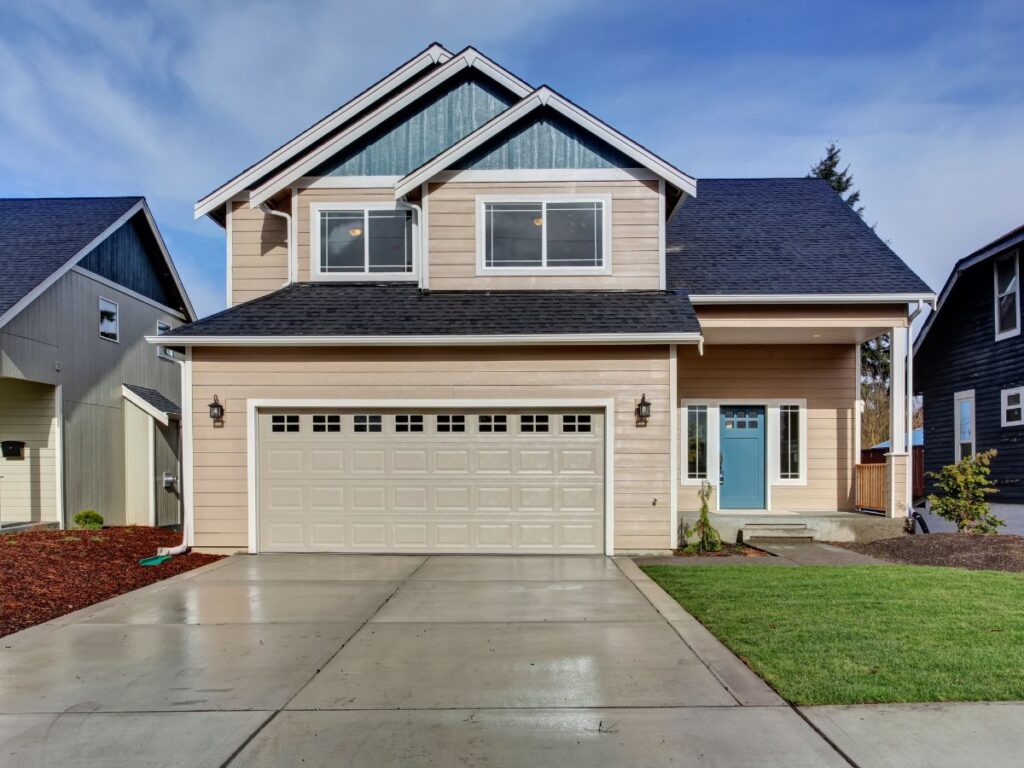
Traditional exterior painting advice assumes conditions most of the country experiences—extended dry periods, low humidity, predictable weather patterns. The Pacific Northwest operates under completely different rules.
Our marine climate delivers moisture constantly even during “dry” months. Morning dew coats surfaces through summer. Afternoon fog banks roll in unexpectedly. Brief sunny windows close faster than you can mobilize painting crews. Humidity stays elevated year-round affecting paint curing regardless of visible precipitation. This persistent moisture creates challenges unknown to painters in drier regions.
Rain timing proves unpredictable despite forecast improvements. A “20% chance” somehow delivers steady drizzle all afternoon. Predicted dry spells evaporate into surprise showers. You learn to expect moisture and plan accordingly rather than counting on forecasts holding true. This uncertainty means preparation strategies must account for getting caught by rain during projects.
Our temperature ranges complicate matters further. Cool temperatures slow paint drying even when surfaces stay dry. Combined with high humidity, paint can take days reaching proper cure. Rush the process and you trap moisture under new paint creating blistering and adhesion failures. Patient preparation proves more important here than anywhere else.
Wood siding absorbs moisture differently in marine climates than desert or continental regions. Cedar and fir common to PNW homes hold water deep in grain requiring thorough drying before paint application. Surface dryness misleads—moisture persists inside wood for days after rain stops. Proper preparation accounts for this hidden moisture preventing future paint failures.
Understanding these regional realities changes how you approach exterior painting projects. Success requires adapting national best practices to our unique conditions rather than following generic advice that assumes favorable weather.
Timing Your Project Between Rain Events
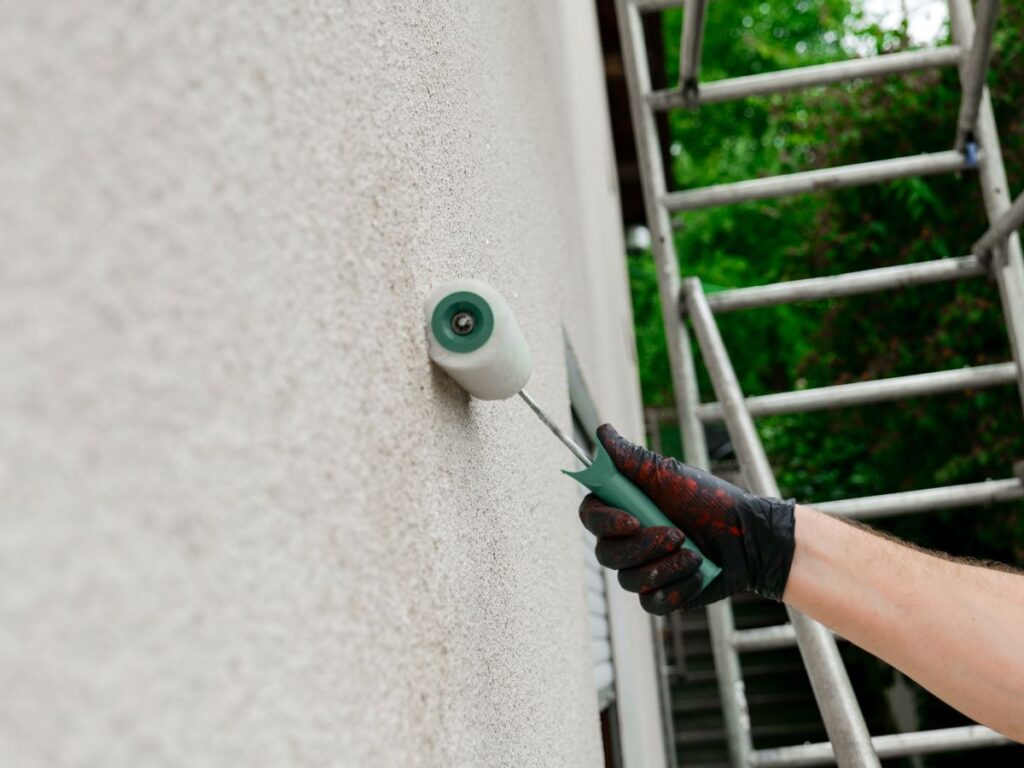
Strategic timing turns challenging PNW weather from obstacle into manageable variable.
Monitor extended forecasts looking for multi-day dry windows rather than single perfect days. You need minimum three consecutive dry days for proper surface prep and initial paint application. Longer windows prove better but aren’t always available. Learn to recognize realistic opportunities rather than waiting for ideal conditions that rarely materialize.
Late summer through early fall typically offers best weather windows despite shorter days. August and September bring more consistent dry stretches than spring months when weather patterns shift unpredictably. Many homeowners assume spring painting makes sense but fall actually provides more reliable conditions across most PNW regions.
Plan projects in stages matching realistic weather windows rather than committing to continuous multi-week timelines. Complete prep work during one dry spell. Apply primer during the next opportunity. Finish with topcoats when conditions allow. This staged approach accommodates weather interruptions without compromising quality. Rushing to finish before rain arrives causes more problems than patient staging across several weather windows.
Start early in dry periods maximizing usable time before afternoon conditions deteriorate. Morning temperatures and lower humidity provide ideal painting conditions. By mid-afternoon, marine layer moisture or rising humidity can prevent additional coats even without visible rain. Early starts let you accomplish more during available windows.
Have contingency plans ready when forecasts change mid-project. Temporary covers, quick-drying primers, and flexible scheduling let you protect completed work and adjust timelines without panic. Weather will surprise you—preparation prevents surprises from becoming disasters.
Surface Preparation in Damp Conditions
Proper prep determines paint longevity more than any other factor, especially in moisture-prone climates.
Test surface moisture levels with moisture meters rather than trusting visual assessment or touch. Wood appears dry on surface while holding 15-20% moisture content internally. Paint manufacturers specify maximum moisture levels for their products—typically 12-15% for wood surfaces. Exceeding these levels guarantees adhesion problems regardless of other prep quality. Invest in reliable moisture meter and use it consistently.
Allow extended drying time after pressure washing compared to dry-climate recommendations. Standard advice suggests 48 hours drying after washing. PNW conditions often require 72-96 hours depending on humidity, temperature, and surface orientation. South-facing walls dry faster than north-facing surfaces that stay shaded and damp. Check each surface individually rather than assuming uniform drying across entire house.
Address active moisture sources before painting rather than painting over problems. Leaking gutters, improper grading directing water against siding, and missing caulking all contribute ongoing moisture that undermines paint adhesion. Fix these issues during prep preventing moisture from attacking new paint from behind. Paint cannot solve structural moisture problems—it only conceals them temporarily.
Remove loose and failing paint thoroughly even if creating more bare wood than expected. Marginal paint barely hanging on will release under new coatings creating adhesion failures. Aggressive scraping, sanding, and sometimes chemical stripping proves necessary. This labor-intensive process discourages many homeowners but proves essential for lasting results in our climate.
Prime bare wood immediately after prep before moisture returns. Exposed wood absorbs atmospheric moisture rapidly in PNW conditions. Prime within 24 hours of completing prep work preventing moisture re-absorption. Quality primers seal wood preventing moisture intrusion while providing proper base for finish coats.
Choosing Products for Wet-Climate Durability
Not all exterior paints perform equally in Pacific Northwest conditions. Product selection matters enormously.
Acrylic latex paints formulated for wet climates outperform standard formulations in our conditions. Look for products specifically designed for coastal or high-moisture environments. These formulas include additives improving moisture resistance, mildew prevention, and film flexibility accommodating wood movement from constant moisture cycling. Regional paint manufacturers often understand local conditions better than national brands offering generic products.
Mildew-resistant additives prove essential rather than optional in PNW exteriors. Moisture and organic debris create perfect mildew conditions. Quality paints include fungicides preventing mildew growth on paint surfaces. Cheaper products skip these additives saving costs but requiring more frequent cleaning and repainting. The premium for mildew-resistant paint pays off through extended maintenance intervals.
Consider moisture-curing urethanes for particularly vulnerable areas like horizontal surfaces and trim. These specialized coatings actually use atmospheric moisture to cure creating exceptionally durable films. They cost more and require careful application but provide superior protection in our climate. Reserve them for areas taking direct moisture exposure while using quality latex elsewhere.
Primer selection deserves as much attention as finish paint choices. Oil-based primers seal wood better than water-based alternatives though environmental regulations limit options. Where oil primers remain available, they excel at sealing knots, preventing tannin bleed, and creating moisture barriers. Water-based alternatives have improved substantially—look for products designed specifically for exterior wood in wet climates.
Avoid bargain paints regardless of manufacturer claims. Cheap paint contains less pigment, fewer protective additives, and lower-quality binders. These compromises devastate performance in moisture-heavy environments. Premium paints cost more upfront but deliver dramatically longer service life making them cheaper long-term investments.
Protecting Work in Progress from Sudden Rain
Weather surprises happen. Preparation minimizes damage when rain arrives unexpectedly.
Keep tarps and plastic sheeting readily available throughout projects. Quality tarps with grommets and ropes stay secured better than cheap plastic during windy conditions. Have enough coverage for entire working areas allowing quick protection when forecasts change. Practice deploying covers rapidly so you can protect fresh paint within minutes of first drops.
Work in manageable sections rather than exposing entire house at once. Complete one wall section fully before moving to next area. This approach limits exposed vulnerable surfaces if weather forces work stoppage. Smaller protected areas prove easier to cover quickly than entire house exteriors.
Apply fast-drying primers when rain threatens within extended forecast period. Modern latex primers dry within hours under good conditions allowing topcoat protection sooner. This strategy provides insurance if weather windows close faster than anticipated. Bare wood stays protected even if finish coats wait for next dry spell.
Monitor weather radar actively during painting rather than relying solely on morning forecasts. PNW weather changes rapidly with marine conditions shifting quickly. Real-time radar helps you anticipate approaching rain giving precious extra minutes for protection. Several weather apps provide localized radar specifically for our region.
Plan stopping points at logical locations allowing clean breaks when weather forces pauses. Finish entire wall sections, complete trim areas, or reach natural break points rather than stopping mid-surface. This planning prevents visible lap marks and uneven coverage when work resumes days later.
Special Considerations for Cedar and Fir Siding
PNW homes often feature cedar or fir siding requiring special moisture management.
Cedar naturally resists moisture but still requires proper preparation and protection. Its grain structure absorbs water creating dimensional changes as moisture content fluctuates. Allow cedar adequate drying time after cleaning preventing moisture from becoming trapped under paint films. Cedar also contains natural oils that can interfere with paint adhesion—proper primers designed for cedar prove essential.
Fir siding absorbs and releases moisture more readily than cedar creating additional challenges. Its grain pattern tends to check and split under moisture cycling common in our climate. Fill checks with quality caulking before painting preventing moisture intrusion and rot development. Fir also shows tannin bleed more than cedar requiring specialized primers blocking these discolorations.
Both species benefit from back-priming whenever possible. Coating all sides of siding boards prevents moisture absorption from behind creating balanced moisture exchange. Pre-primed siding costs more initially but performs significantly better long-term in our wet climate. For existing installations, focus on sealing end cuts and edges where moisture penetrates most readily.
Wood movement from moisture cycling requires flexible paint systems accommodating expansion and contraction without cracking. Elastomeric coatings or high-quality acrylic latex formulations flex with wood movement. Rigid paint films crack quickly under constant dimensional changes creating moisture entry points and accelerating wood deterioration.
When to Call Professional Exterior Painters
Some conditions exceed DIY capabilities requiring professional expertise and equipment.
Extensive surface damage from moisture intrusion demands assessment before painting. Soft or punky wood indicates rot requiring replacement rather than paint. Professional painters identify structural issues homeowners often miss preventing wasted effort painting failing substrates. They also handle rot repair efficiently preparing surfaces properly for lasting paint jobs.
Multi-story homes create safety risks during exterior painting especially in wet conditions. Professional painters maintain proper scaffolding, fall protection, and insurance protecting themselves and property. DIY attempts on tall houses during questionable weather combine multiple risk factors unnecessarily. Safety considerations often justify professional help regardless of budget.
Large projects benefit from crew efficiency completing work during limited weather windows. What takes homeowners weeks of weekends professionals finish in days of focused work. This speed proves valuable when weather windows close rapidly. Professional scheduling also accommodates weather flexibility easier than coordinating DIY schedules around forecasts.
Specialized equipment like high-volume low-pressure sprayers and professional-grade moisture meters deliver results difficult achieving with homeowner tools. Professionals also maintain relationships with commercial paint suppliers accessing better products at better prices. These advantages offset labor costs through superior results and material savings.
Professional exterior painting services bring regional expertise understanding Pacific Northwest conditions specifically. They’ve solved moisture challenges across hundreds of local projects developing strategies that work in our unique climate. This experience proves invaluable for achieving lasting results despite weather obstacles.
GB Painters: Pacific Northwest Exterior Painting Specialists
GB Painters brings decades of experience preparing and painting Pacific Northwest home exteriors in our challenging climate. We understand moisture management strategies, timing approaches, and product selections that deliver lasting results despite constant rainfall.
Our crews work efficiently during available weather windows maximizing productivity when conditions allow while maintaining quality standards regardless of timeline pressures. We protect work in progress when rain arrives unexpectedly and schedule projects in stages accommodating weather realities rather than fighting them.
We use premium products formulated specifically for wet-climate durability including mildew-resistant paints and moisture-sealing primers. Our surface preparation addresses moisture levels thoroughly using professional moisture meters and allowing adequate drying time before paint application.
Whether your home features cedar siding, fir trim, or composite materials, we’ve developed preparation and painting systems proven across thousands of PNW projects. Regional expertise makes the difference between paint jobs lasting years versus failing within seasons.
Contact GB Painters to discuss your exterior painting project and learn how we navigate rainy weather challenges unique to the Pacific Northwest.
Exterior painting in the Pacific Northwest requires understanding moisture realities rather than wishing for desert conditions. With proper preparation, strategic timing, and quality products, your home exterior can receive beautiful lasting paint protection despite our notorious rainfall. Professional expertise helps navigate challenges ensuring results that endure our wet climate for years.