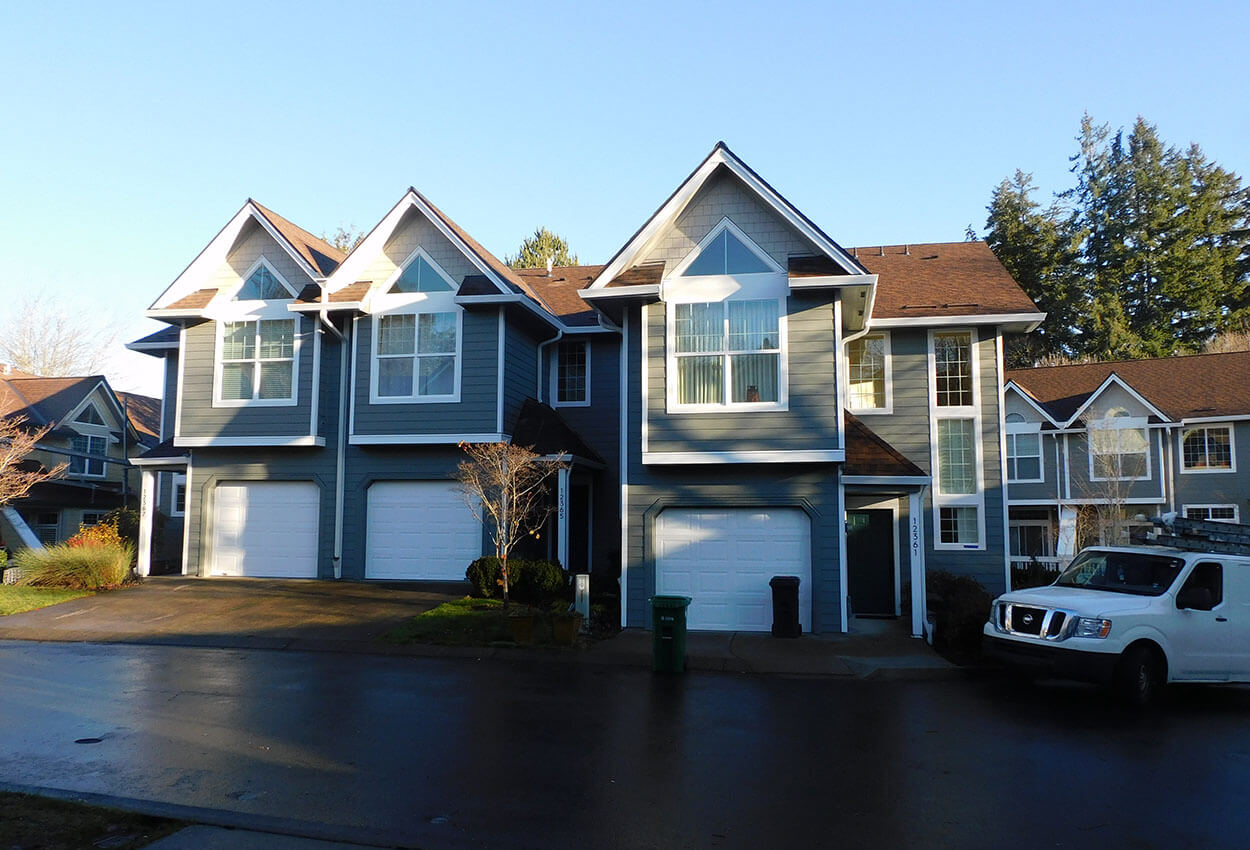
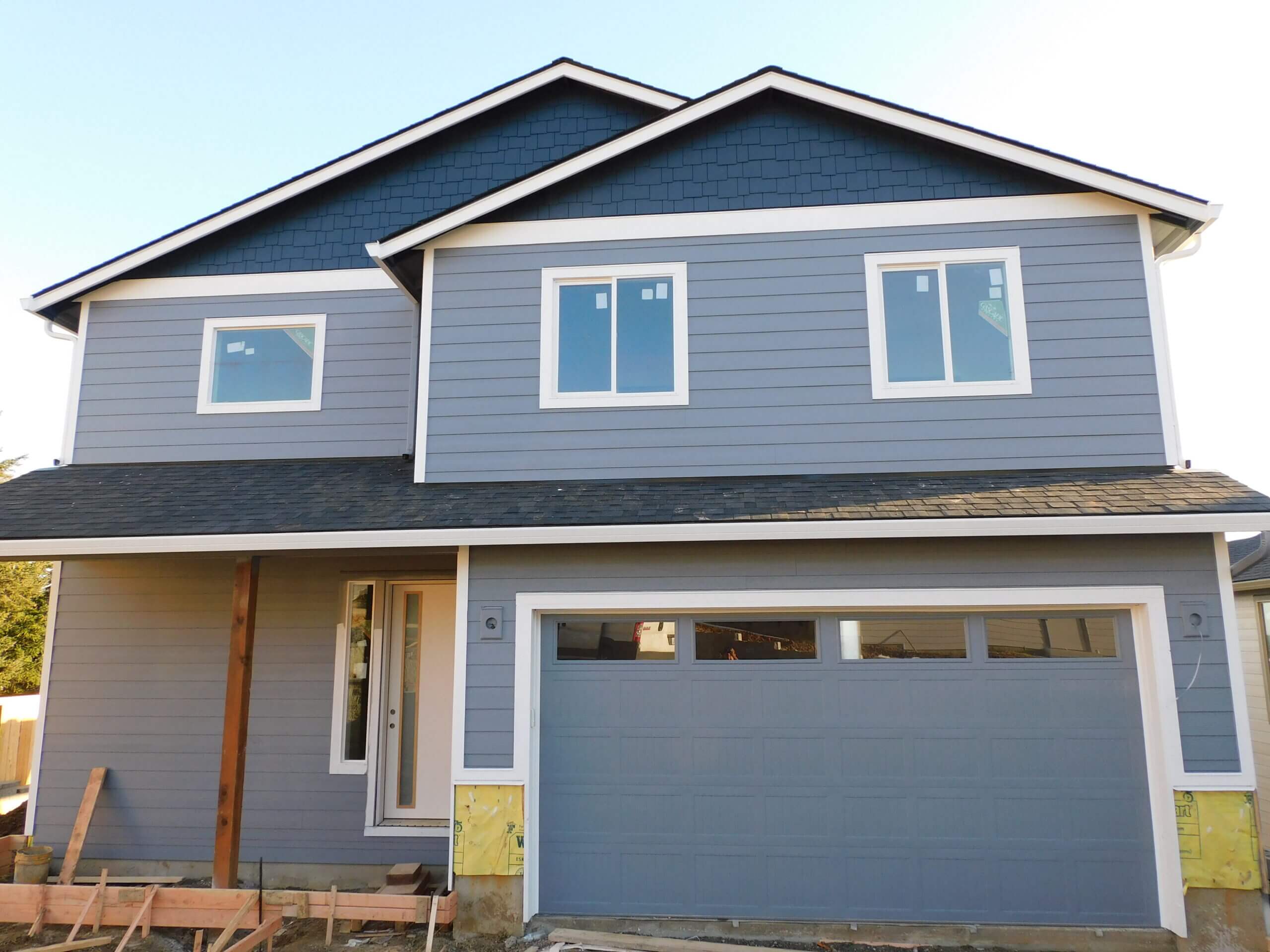
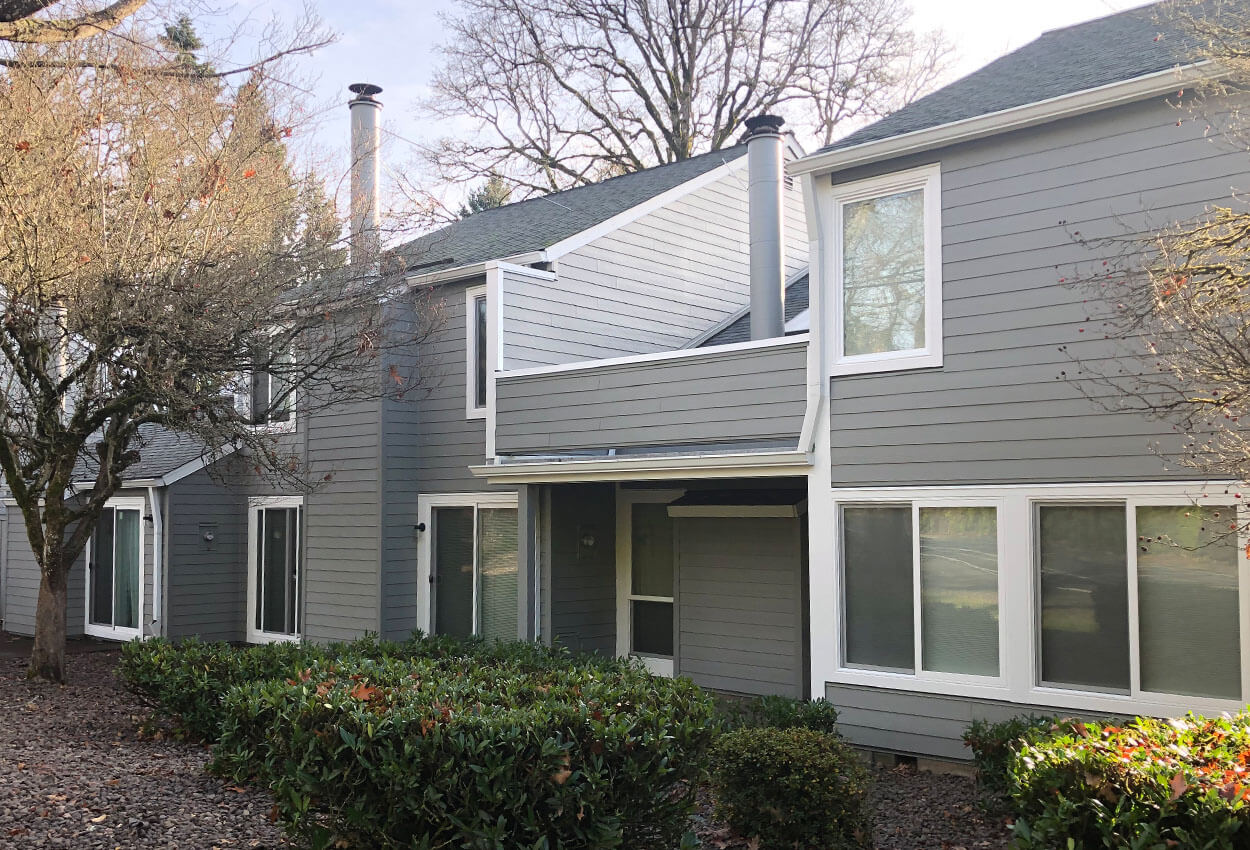
If you live in Portland, Vancouver, or anywhere across the Pacific Northwest, you already know that this climate is harder on the outside of a home than most places in the country. The rain is relentless. The humidity is persistent. And the brief stretches of summer heat and UV exposure create just enough contrast to stress paint films in ways that homes in more moderate climates rarely experience.
So how long can you realistically expect an exterior paint job to last here? The honest answer is that it depends on several factors, but the general range for a professionally applied exterior paint job in the Pacific Northwest is 5 to 8 years. That is notably shorter than the 7 to 10 years that paint manufacturers often advertise, and the gap is almost entirely driven by the conditions unique to this region.
This guide breaks down why exterior paint wears faster in the PNW, what factors shorten or extend its life, how to tell when it is time to repaint, and what you can do to get the most years out of every paint job.
Why Exterior Paint Wears Faster in Portland and Vancouver

The Pacific Northwest climate creates a combination of conditions that is uniquely challenging for exterior coatings. Understanding these conditions helps explain why the lifespan of exterior paint here differs from national averages.
Prolonged Moisture Exposure
Portland receives approximately 43 inches of rain per year, and much of it falls during a rainy season that stretches from October through May. Vancouver, WA, sees similar totals. That means your home’s exterior is wet or damp for the majority of the year. Sustained moisture is the single biggest factor in paint degradation. It causes paint films to soften, swell, lose adhesion, and eventually blister or peel.
The issue is compounded by the fact that many homes in the Portland metro area do not fully dry between rain events during the winter months. Paint that stays damp for extended periods breaks down faster than paint that gets wet and dries quickly.
Moss, Algae, and Mildew Growth
The combination of moisture and shade creates ideal conditions for biological growth on exterior surfaces. Moss on roofs and siding, green algae on north-facing walls, and mildew in sheltered corners are all common across the region. These organisms do not just sit on top of paint. They work their way into the surface, compromise adhesion, and accelerate deterioration.
Homes surrounded by mature trees are especially susceptible because the canopy limits air circulation and sun exposure, both of which help surfaces dry and resist biological growth. If your home has shaded walls that consistently stay damp, those walls will need attention sooner than walls that receive regular sunlight.
UV Exposure During Summer Months
While the Pacific Northwest is known for its overcast skies, the summer months deliver intense UV exposure. From June through September, Portland and Vancouver experience long daylight hours with strong, direct sunlight. South-facing and west-facing walls absorb the most UV radiation, and the paint on those surfaces fades and chalks faster than paint on shaded walls.
This creates an uneven wear pattern that many homeowners notice: the south and west sides of a home often need repainting a full cycle before the north and east sides show comparable deterioration.
Temperature Fluctuation and Thermal Cycling
The Pacific Northwest does not experience extreme heat or extreme cold, but it does experience frequent temperature swings, particularly during the transitional seasons of spring and fall. Mornings can be near freezing while afternoons climb into the 50s or 60s. These repeated cycles of expansion and contraction stress paint films, creating micro-cracks that allow moisture to penetrate.
Over time, this thermal cycling weakens the paint’s bond with the substrate and contributes to the cracking and flaking that eventually signals a repaint is needed.
How Long Does Exterior Paint Last by Surface Material?

The material underneath the paint has a significant impact on how long the coating lasts. Different substrates interact with paint and moisture in different ways, and some require more frequent repainting than others.
Wood Siding
Wood is the most common exterior surface on older homes in the Portland and Vancouver area, and it is the most demanding when it comes to paint maintenance. Wood absorbs and releases moisture with changes in humidity, and this constant movement stresses the paint film. A quality paint job on properly prepared wood siding typically lasts 5 to 7 years in the Pacific Northwest before it begins to show significant wear.
Homes with cedar siding may see shorter intervals because cedar’s natural oils can interfere with paint adhesion if the surface is not properly primed. Homes with older-growth wood siding that has been well maintained over the years may get slightly longer life from each paint cycle because the wood itself is more dimensionally stable.
Fiber Cement Siding
Fiber cement, including brands like HardiePlank, is one of the best-performing substrates for exterior paint in wet climates. It does not absorb moisture the way wood does, it resists rot and insect damage, and it provides a stable surface for paint adhesion. Exterior paint on fiber cement siding in the Pacific Northwest typically lasts 7 to 10 years, which is the upper range for this region.
If your home has fiber cement siding and you are seeing premature paint failure, the issue is almost always related to preparation rather than the material itself. Proper cleaning, priming, and coating selection matter enormously on this substrate.
Vinyl Siding
Vinyl siding is designed to retain its factory color and does not require painting in the traditional sense. However, many homeowners paint vinyl siding when they want to change the color or when the original finish has faded. Paint on vinyl siding generally lasts 5 to 7 years in this climate, but the key is using a paint formulated specifically for vinyl, as standard exterior paints can peel from the surface due to the material’s thermal expansion properties.
Stucco and Masonry
Stucco and masonry surfaces are less common in the Portland metro area than in drier climates, but they do exist. Paint on stucco typically lasts 5 to 6 years in the Pacific Northwest because the porous surface absorbs moisture that can push the paint off from behind. Elastomeric coatings, which stretch and flex with the substrate, tend to last longer on stucco than standard latex paints.
Trim, Doors, and Detail Work
Trim, fascia, window casings, and doors take more direct exposure than large siding surfaces and tend to show wear sooner. Horizontal trim that collects standing water, door frames exposed to rain, and south-facing window casings are often the first elements that need touch-up or repaint, sometimes a year or two before the main siding surfaces require attention.
Signs It Is Time to Repaint Your Exterior
Knowing when to repaint is as important as knowing how long the paint should last. Here are the indicators that tell you your exterior paint has reached the end of its useful life.
Chalking is one of the earliest signs. If you run your hand along your siding and it comes away with a powdery residue, the paint binder is breaking down. Mild chalking is normal as paint ages, but heavy chalking means the protective film is no longer intact.
Peeling and flaking indicate that the paint has lost adhesion with the surface. In the Pacific Northwest, this is usually driven by moisture getting behind the paint film. If peeling is limited to small areas, spot preparation and touch-up may buy time. If it is widespread, a full repaint is needed.
Fading beyond the color you intended signals UV degradation. South-facing and west-facing walls fade fastest. Color change that is dramatic enough to be visible means the paint’s pigment and binder have been compromised.
Cracking, either in fine surface patterns or deeper splits, allows water into the substrate and accelerates deterioration. Cracks in the paint that align with cracks in the siding itself may indicate a siding issue that should be evaluated before repainting. Our guide on signs your siding needs repair or replacement covers what to look for beyond the paint surface.
Mold or mildew that returns quickly after cleaning suggests the paint’s mildewcide additives have been exhausted and the film is no longer resisting biological growth effectively.
What Extends the Life of Exterior Paint in This Climate
While you cannot change the weather, there are several factors within your control that significantly affect how long your exterior paint lasts.
Surface Preparation Is Everything
No exterior paint product, regardless of price or brand, will perform well if it is applied to a poorly prepared surface. In the Pacific Northwest, proper preparation includes power washing to remove dirt, algae, and loose paint; scraping and sanding any areas of peeling or cracking; priming bare wood and repaired areas with a high-quality primer; and caulking all joints, seams, and gaps to prevent water intrusion.
Shortcuts in preparation are the number one reason paint jobs fail prematurely. A well-prepared surface gives the paint a clean, stable foundation to bond with, and that bond is what determines how many years the coating will last.
Paint Quality Matters More Here Than Anywhere
In a dry climate, the difference between a mid-grade and a premium exterior paint might be marginal. In the Pacific Northwest, that difference is measured in years. Premium paints from manufacturers like Sherwin-Williams and Benjamin Moore use higher concentrations of acrylic resins and better pigments, which translate directly into better adhesion, flexibility, moisture resistance, and UV protection.
Our guide on the best exterior paint for the Pacific Northwest covers the specific products and sheens that perform best in this climate, along with the reasons behind those recommendations.
Timing the Paint Job Correctly
Exterior painting in the Pacific Northwest has a narrower optimal window than in most other regions. The ideal time to paint is during the dry months of late June through mid-October, when temperatures are consistently above 50 degrees and humidity is relatively low. Painting outside this window is possible but requires careful attention to weather forecasts and drying conditions.
For a detailed look at how to schedule exterior work around the region’s unpredictable weather, see our guide on exterior painting in rainy weather.
Proper Application: Two Coats Are Non-Negotiable
In this climate, two full coats of exterior paint over a quality primer are the minimum standard for a paint job that lasts. A single coat may look acceptable initially, but it will not build enough film thickness to withstand years of rain, moisture cycling, and UV exposure. Any painting contractor who recommends a single coat for an exterior job in the Pacific Northwest is cutting corners that will cost you sooner than later.
Ongoing Maintenance Between Paint Cycles
Simple annual maintenance can add a year or more to the life of your exterior paint. This includes washing exterior surfaces each spring to remove moss, algae, and accumulated dirt; re-caulking any joints or seams that have cracked or separated; touching up small areas of damage, peeling, or wear before they spread; and trimming back vegetation that holds moisture against siding surfaces.
These tasks are straightforward and do not require professional help in most cases. They are, however, easy to neglect, and neglect is what turns a paint job that could have lasted 8 years into one that needs attention at 5.
Protecting Your Entire Exterior, Not Just Your Walls
Your home’s exterior paint is one piece of a larger system that includes siding, trim, windows, and deck surfaces. When one element starts to fail, it often accelerates wear on adjacent elements. This is why many homeowners in the Portland and Vancouver area choose to coordinate exterior projects.
If your siding is in good shape but your deck is weathered, addressing both during the same season makes logistical and financial sense. Our complete guide to deck staining in Vancouver WA covers what to look for and the best approach for protecting your outdoor surfaces alongside your painted surfaces.
And if you are updating your exterior, it is also a natural time to think about refreshing the inside. Interior projects are not weather-dependent and can be scheduled year-round. Our post on interior color trends for Portland homes can help you explore what is working in homes across the metro right now.
Why Portland and Vancouver Homeowners Choose GB Painting
GB Painting has been serving homeowners and commercial properties across the Portland metro and Vancouver, WA, since 2015. Our team understands the specific demands this climate places on exterior coatings, and we build every exterior paint job around the preparation, products, and application standards that deliver lasting results in this region.
We use premium paints from Sherwin-Williams and Benjamin Moore, we never cut corners on surface preparation, and every exterior project receives a minimum of two coats over a properly primed surface. Our licensed and insured crews are experienced with every common exterior substrate in the area, including wood, fiber cement, vinyl, and stucco.
Beyond exterior painting, our full suite of exterior and siding services means we can address siding damage, replace failing panels, and repaint in a single coordinated project, saving you time and ensuring a seamless result.
Get More Years from Your Next Exterior Paint Job
The Pacific Northwest will always be tough on exterior paint. That is not going to change. What you can control is the quality of the preparation, the products used, the timing of the work, and the contractor you trust to do it right.
A professionally applied exterior paint job using the right products and proper preparation will give you 7 to 8 years or more of reliable protection and curb appeal, even in this climate. The key is investing in the job correctly the first time rather than paying for a cheaper application that needs to be redone years early.Call GB Painting at (503) 863-1557 or visit our contact page to schedule a free exterior painting estimate. We serve Portland, Vancouver, Lake Oswego, Camas, Gresham, and communities throughout the Pacific Northwest.